
Experience — Impact
An African safari is not a neutral act. Done well, it is one of the few forms of tourism on earth where a paying guest is a direct funder of the species and the people they have come to see.
What it is
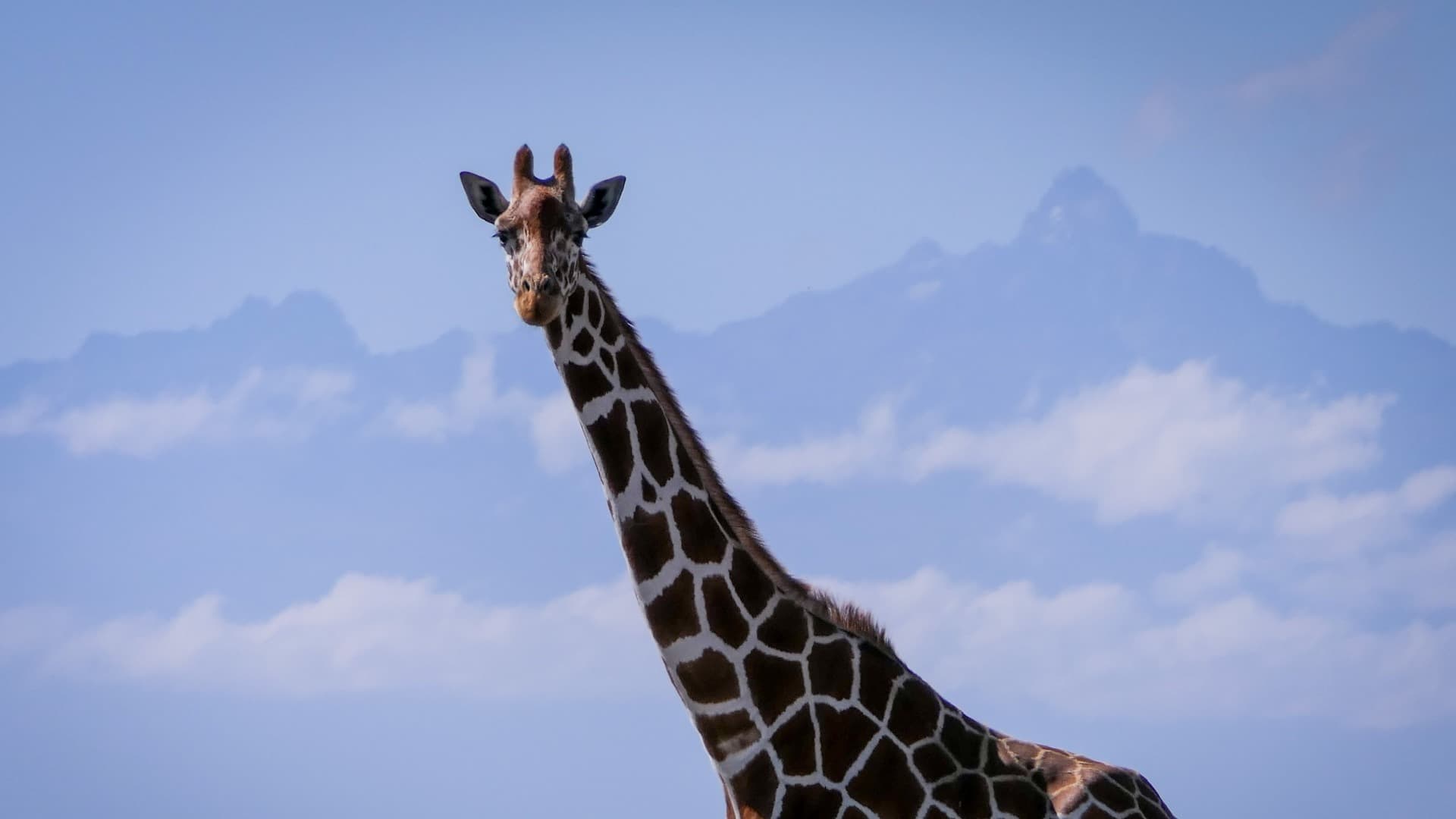
The economics of African conservation are direct. Gorilla permits in Rwanda fund the rangers who keep the species alive. Conservancy fees in Laikipia are split between Maasai landowners and the wildlife management on their land. Camp bed-night levies in Botswana support anti-poaching units and water provision for elephant. The wildebeest of the Great Migration exist because thousands of people make their living from visitors who come to see them.
"Conservation and community" experiences make these connections visible. Some are activities — a morning with rhino-tracking scouts, an afternoon spent measuring sea-turtle nests, a school visit, a clinic — and some are simply choices about where to stay.
Where to do it
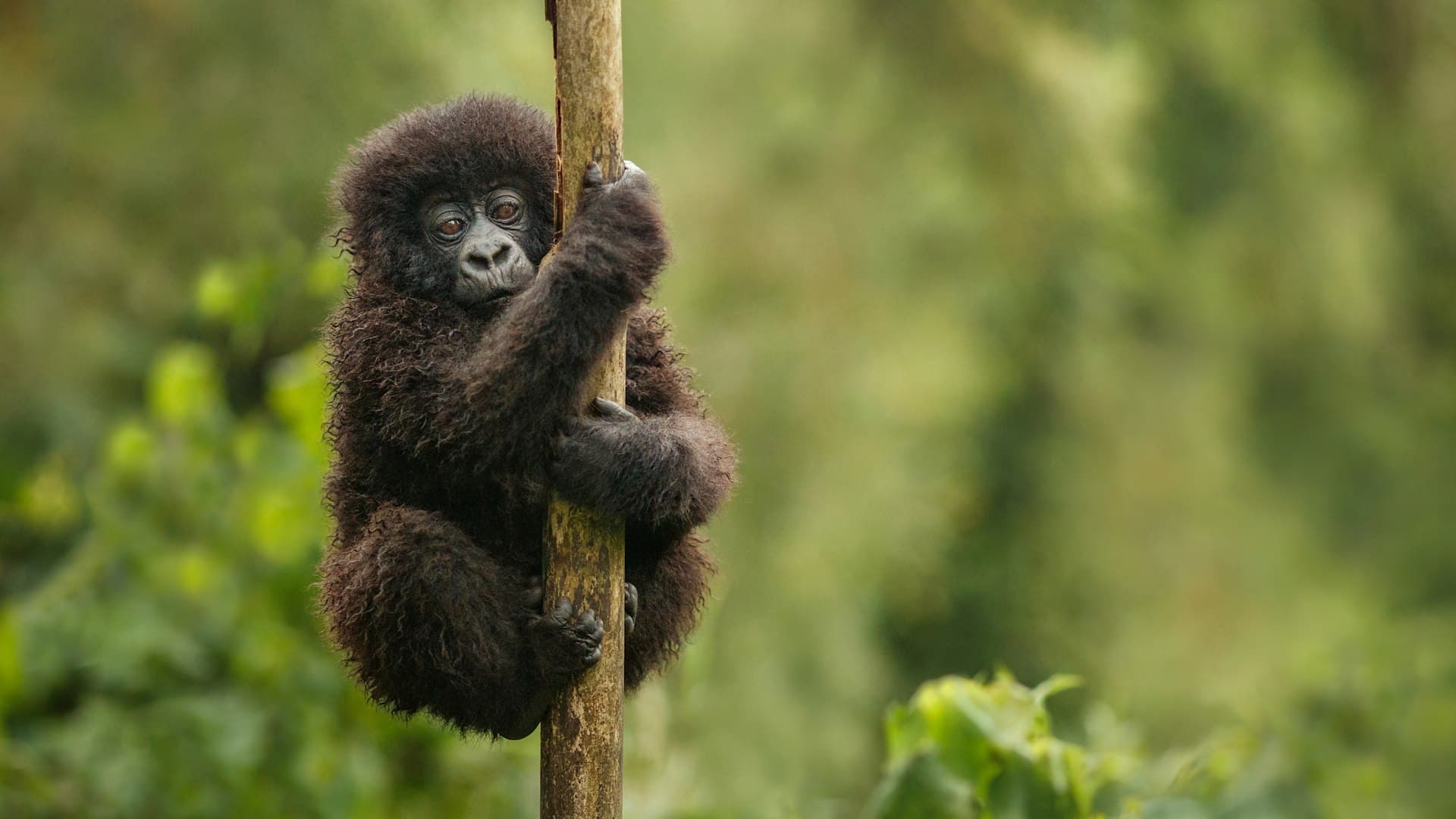
The most direct conservation-economy story on the continent. The US$1,500 trekking permit funds reforestation and ranger work in Volcanoes National Park.
A patchwork of pretty reserves where conservation and communities are just as important as safaris. Some of the most accomplished conservancy models in Africa.
Guests can join veterinary teams in tracking and ear-notching black and white rhino for the conservation database.
The last truly free-roaming black rhino population, monitored on foot by Save the Rhino Trust and community trackers.
Long-running carnivore research and rehabilitation work; cheetah and leopard tracking with the research team.
Scout walk-alongs, anti-snare patrols, and visits to the community conservancies that share revenue with surrounding villages.
Several of Botswana's premier safari concessions are leased from community trusts that share the income with the surrounding villages.
Coral reef monitoring, turtle nesting, dugong tracking — guest visits to ongoing marine science programmes.
Countries to visit