
East Africa — Destination
The country that invented the word safari, and still sets the standard. Acacia plains, Maasai red, and the closest thing wildlife has to a parade route.
The Place
Kenya sits on the equator on Africa's east coast, and was the first place on the continent where the camp, the long-wheelbase vehicle, and the morning game drive were assembled into the thing we now call a safari. Decades on, the country still does it best: family-run camps, owner-host guiding, and a quietly held authority over the form.
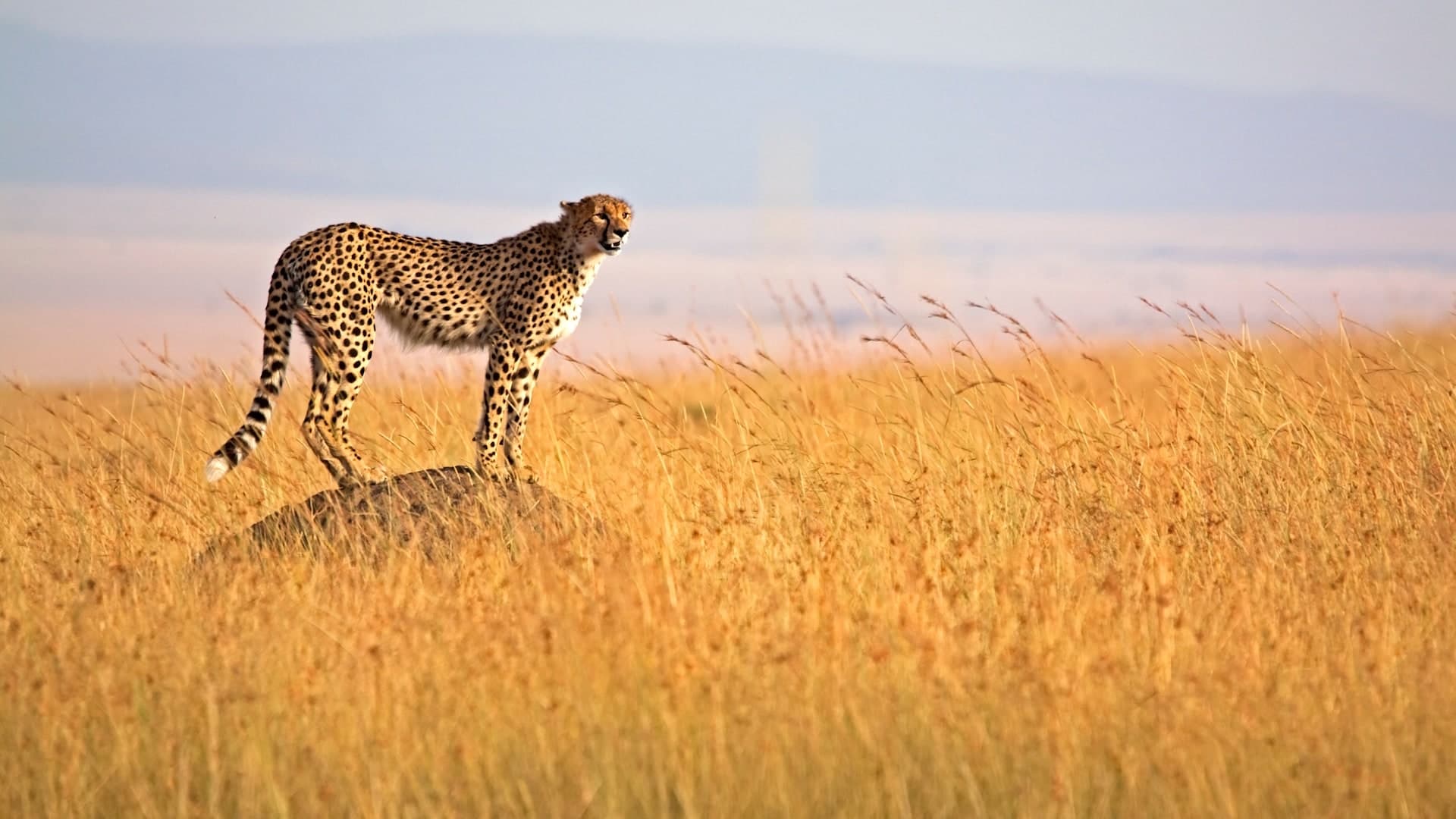
The Masai Mara National Reserve, in the country's south-west, is the headline. From roughly July to October it receives the wildebeest of the Great Migration, two million animals on a thousand-mile circuit between Tanzania's Serengeti and the Mara River. The lions and cheetahs come for the calves; the rest of the world comes for the lions and cheetahs.
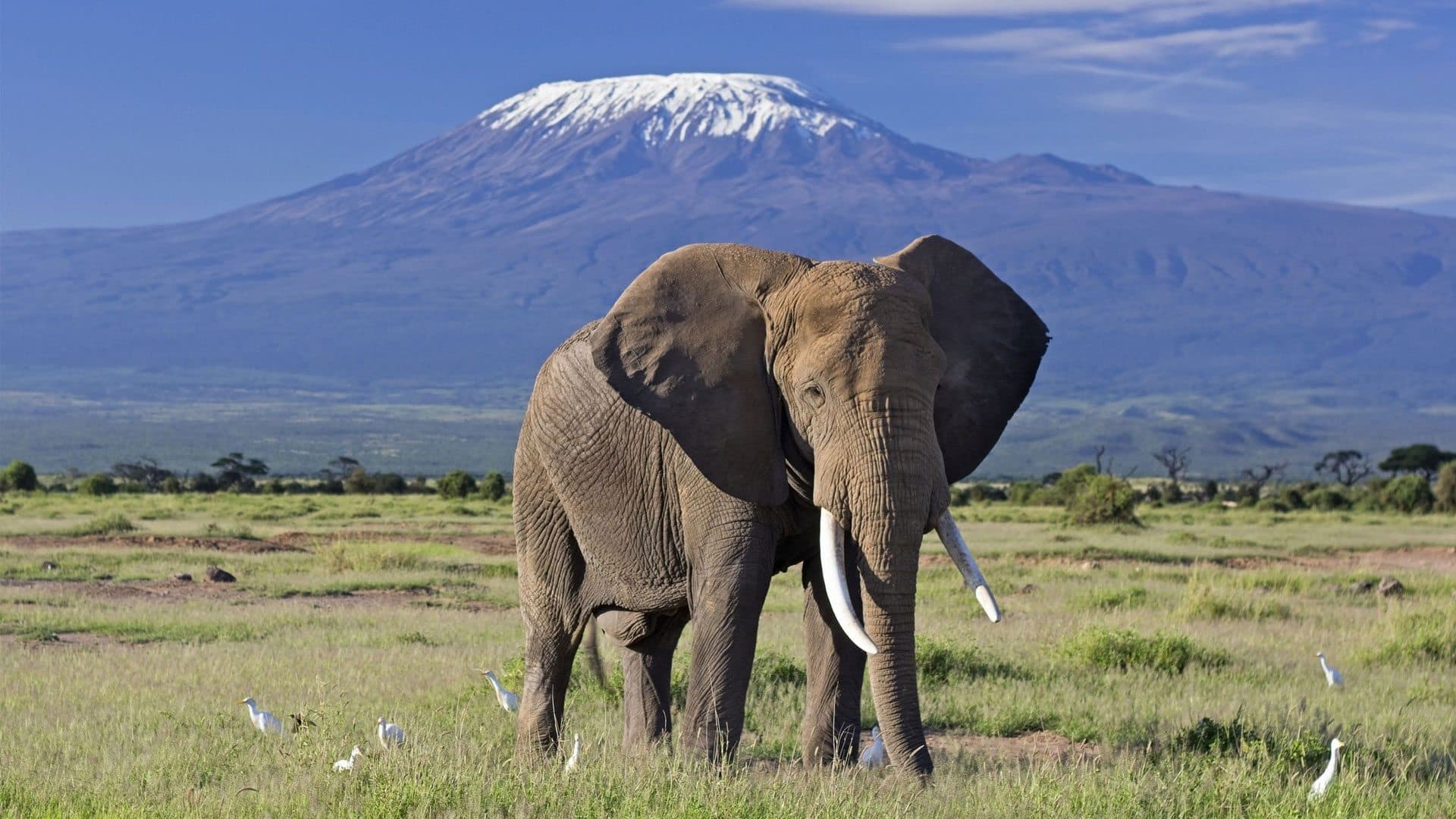
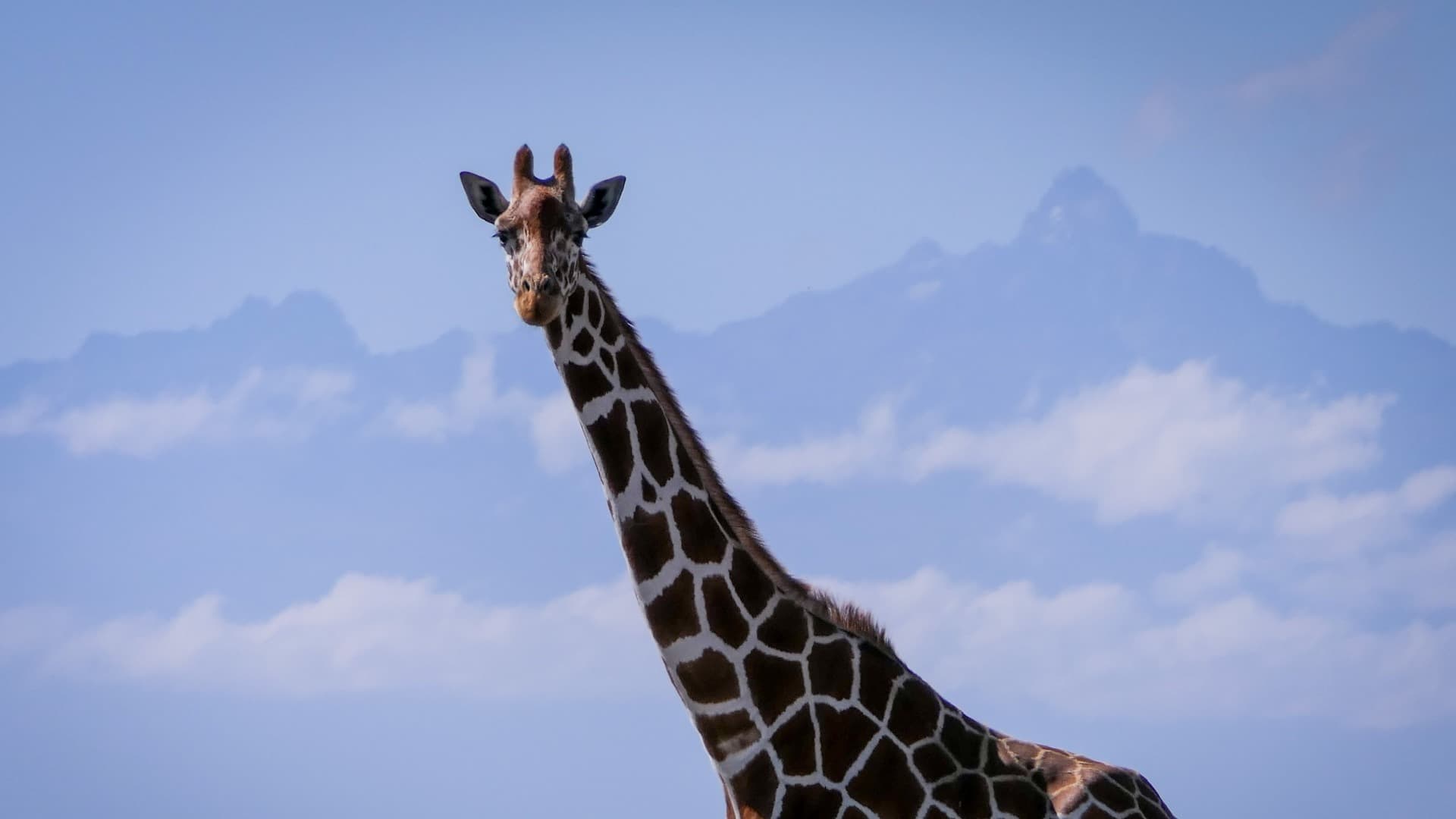
Travel north to Samburu and Laikipia for arid thornveld, reticulated giraffe, Grevy's zebra, and remarkable leopard sightings. Travel south to Amboseli for the elephants who walk against a Kilimanjaro skyline. Travel east to Tsavo for the largest herds and the red dust. Finish on the Indian Ocean coast, where the safari ends with feet in the sea.
Where to go
Big cats in numbers, the river crossings of the migration, and the gold-grass scenery that defined the genre. A dedicated page with experiences, conservancies and seasonal notes.
A patchwork of private conservancies north of Mount Kenya. Quieter, more conservation-led, with rhino, wild dog and walking.
Arid country with its own cast: reticulated giraffe, Grevy's zebra, gerenuk, beisa oryx. Excellent leopard, fewer vehicles.
Elephants in family groups against Kilimanjaro. One of the most photographed mountains-and-mammals frames in the world. A dedicated page with experiences and seasonal notes.
Vast, red-earth wilderness, divided into East and West. Large herds, fewer crowds, and the famous "red elephants" dust-bathed in oxide soil.
A walking-and-riding conservancy in northern Laikipia; quiet, low-density, and home to occasional melanistic leopard sightings.
The arrival city. Worth a day for the giraffe centre, Karen Blixen's house, and the contemporary art scene.
Lamu, Watamu, Diani. Where you go after the safari to do absolutely nothing for four days.
The Style
Kenya is a traditional place. Many of the lodges are still owner- or family-run, which gives the safari a personal, slightly idiosyncratic quality you don't find in larger commercial operations. The result is a country brimming with what one of our source operators called "romance, thrill and adventure" — the closest thing to "classic safari" you can still do.
A point of honesty: the headline parks can be busy, particularly during the river-crossing months. Northern Kenya — Samburu, the Mathew's Range — is the antidote: cultural depth, walking, fly camping, four-legged explorations on camel and on horseback, and the kind of solitude that has become rare in East Africa.
A glance


Need to know
Capital
Nairobi
Languages
English & Swahili (official); 60+ local languages
Currency
Kenyan Shilling (KES). US dollar accepted at lodges.
Time zone
East Africa Time (UTC+3). No DST.
Power
240V, Type G (UK three-pin) sockets
Visa
eTA required for most nationalities — apply online before travel
Best time — Mara
July–October for the migration; Jan–Mar for calving
Best time — coast
December–March: dry, warm, calm seas
International gateway
Jomo Kenyatta International (NBO), Nairobi
Frequently asked
Ten nights is the comfortable minimum for a multi-region itinerary — for example three nights Mara conservancy, three nights Laikipia or Samburu, three or four nights on the coast. Shorter trips work but tend to lose a day to the connecting flight at each end.
Pair with