
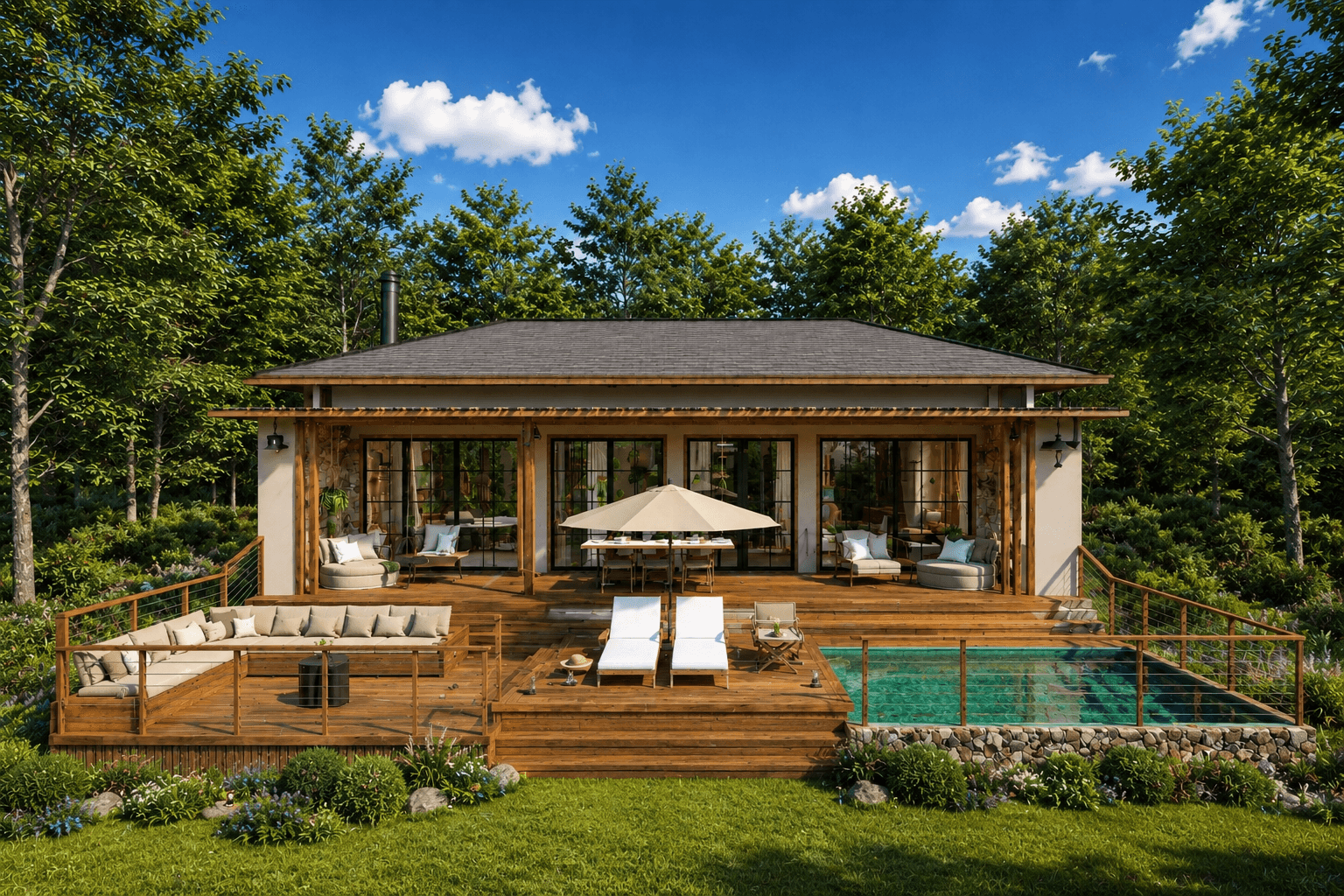
Kenya — Region
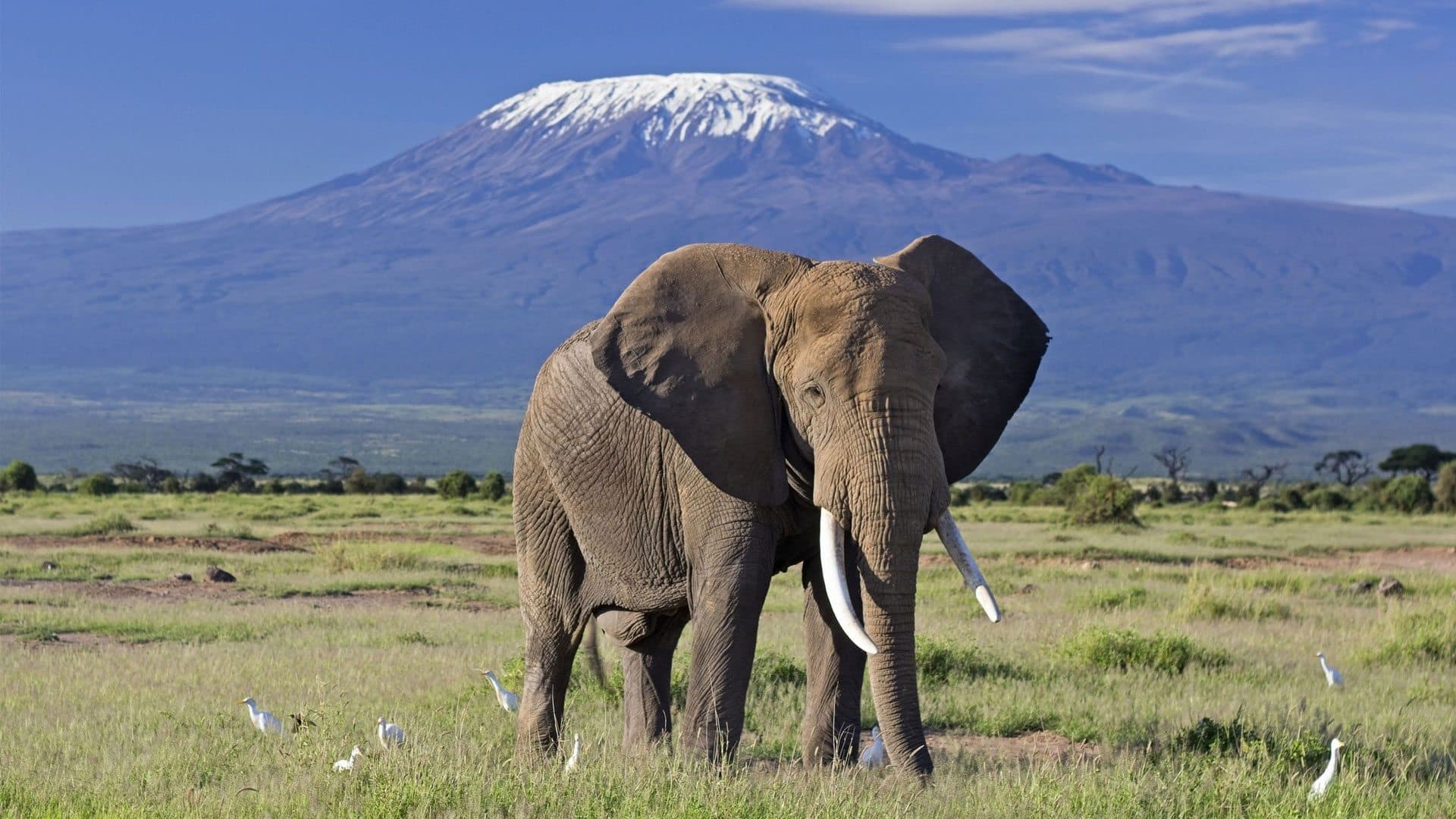
Iconic herds of elephant in the shadow of Africa's highest mountain. Kenya's second most popular national park, a UNESCO Biosphere Reserve, and the photograph that everyone, eventually, comes to take.
The Place
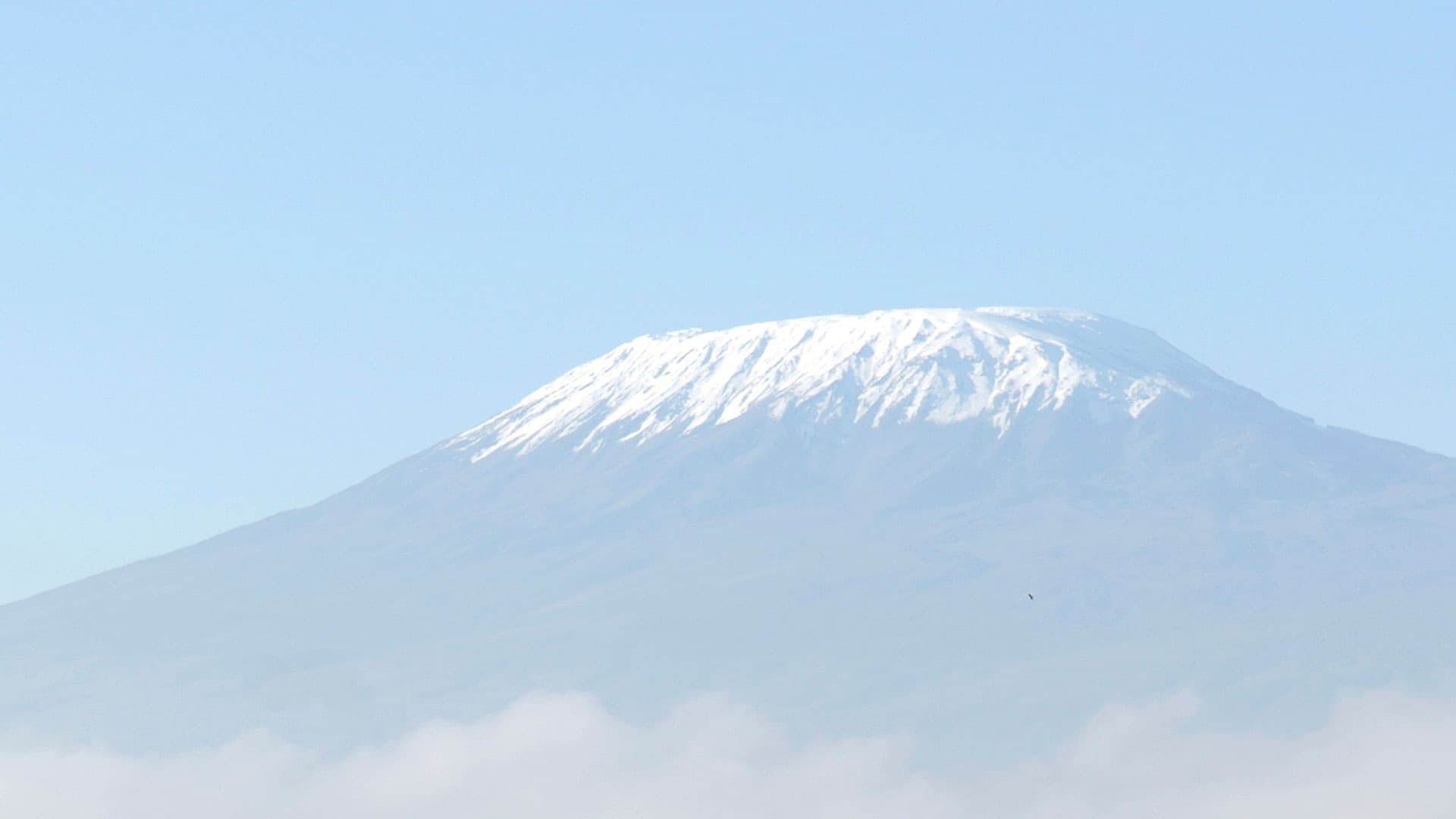
Amboseli sits in southern Kenya, on the Tanzanian border, in the lee of Mount Kilimanjaro. The park itself is small — much smaller than the Mara — but quite distinctive: a dry, open plain dominated in its centre by a complex of marshes fed by snowmelt and aquifers from Kilimanjaro. During heavy rains, the basin floods, and wildlife pours in. The reserve is famous for its herds of big-tusked elephants — some of the last remaining "super-tuskers" on the continent — most often photographed with the swirling white peak of Kilimanjaro behind them.
Beyond the elephants, the park is excellent for the Big Five and for lesser-known species. Buffalo, zebra, wildebeest and all three big cats are reliable; lion are the easiest to find. Amboseli was declared a UNESCO Man and Biosphere Reserve in 1991, recognising the relationship between its wildlife, its wetlands, and the surrounding Maasai pastoral land. To its east, the Chyulu Hills — green volcanoes and sparkling hot springs — are an excellent quieter companion, with thinner game but extraordinary scenery.
By the numbers
Experiences
Amboseli's defining encounter. The park is one of the last places on earth where you can still see elephants with tusks heavy enough to scrape the ground. The Amboseli Trust for Elephants has tracked these family groups for decades; many of the named matriarchs are known on sight.
Morning and afternoon drives are the rhythm. Go in the early morning for the clearest views of the mountain — cloud builds across Kilimanjaro by mid-morning.
The swamps fed by Kilimanjaro's meltwater are the heart of Amboseli's wildlife. Elephants wade chest-deep; hippo lounge; herons and storks work the edges; buffalo come in from the dust.
Best from June to October and again in January and February, when the grasses are short and the rain less. A few hours on foot with a Maasai guide explaining tracks, medicinal plants and the small wonders of the landscape.
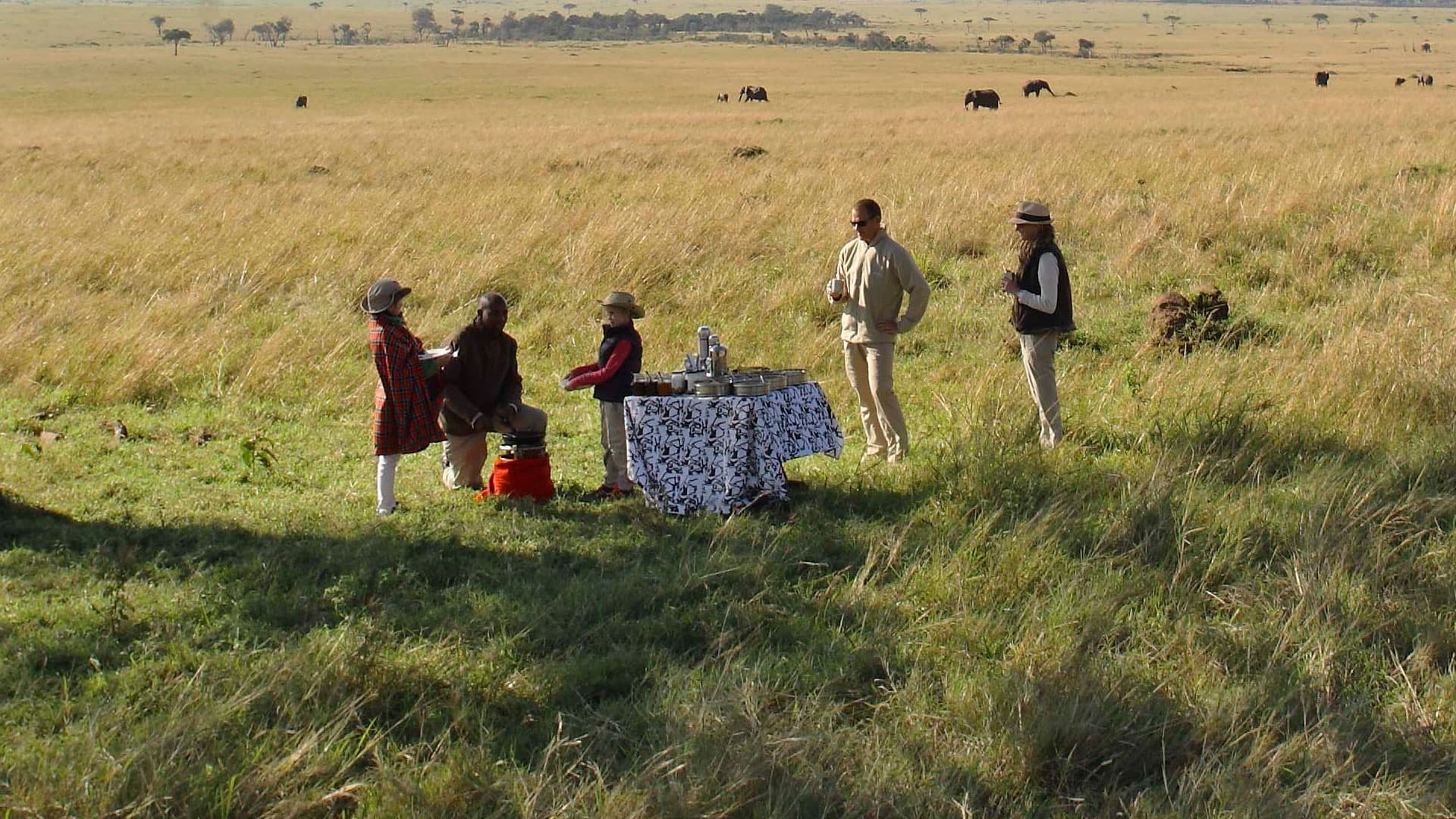
Al fresco dining is part of the form here — a breakfast picnic in the open after the early drive, sometimes laid out on a flat plain with Kilimanjaro filling the southern sky.
The land around Amboseli is Maasai pastoral country. Lodges work with neighbouring communities to offer village visits, beadwork sessions, and visits to conservation and community projects.
The national park itself does not permit night driving, but neighbouring conservancies — Selenkay, Kimana, and the wider Amboseli ecosystem — do. A spotlit drive reveals serval, white-tailed mongoose, civet, and the nocturnal mood of the elephant.
Amboseli is one of the few major reserves close enough to the capital for a day trip — by light aircraft from Wilson Airport in roughly 45 minutes. A two- or three-night stay does the park much more justice.
The volcanic green hills immediately east. Lava-tube caves, dry forest, and big-sky riding country with wonderful views back toward Kilimanjaro.
Both Amboseli's private conservancies and the Chyulu Hills offer riding for capable equestrians — across the plain at the speed of the herds, with Kilimanjaro on the southern horizon.
The Amboseli Trust for Elephants (Cynthia Moss's long-running research project) accepts a small number of guest visits. The Big Life Foundation, working on anti-poaching across the wider ecosystem, is the other major presence.
Amboseli sits on the natural path between Nairobi and the Kenyan coast. A three-night Amboseli plus four-night Diani or Lamu makes a balanced, low-stress itinerary.
When to go
Amboseli is at its best in the dry months — June to October and again January to February, when the grasses are short, the rain is light, and the elephants concentrate around the marshes. Mountain visibility is most reliable in these windows; you tend to get Kilimanjaro framed in the early hours before the clouds build. The long rains (April–May) and short rains (November) are quieter and greener but with reduced visibility of the peak and more demanding driving.
For travellers chasing photographs of elephant in front of Kilimanjaro, the most reliable months are August and September — but visit early enough in the day for the cloud to still be off the mountain.
Pair with