
East Africa — Destination
The land of a thousand hills. Home to roughly half the world's wild mountain gorillas, a national approach to tourism unlike anywhere else, and a capital city as ordered and clean as any in the world.
The Place
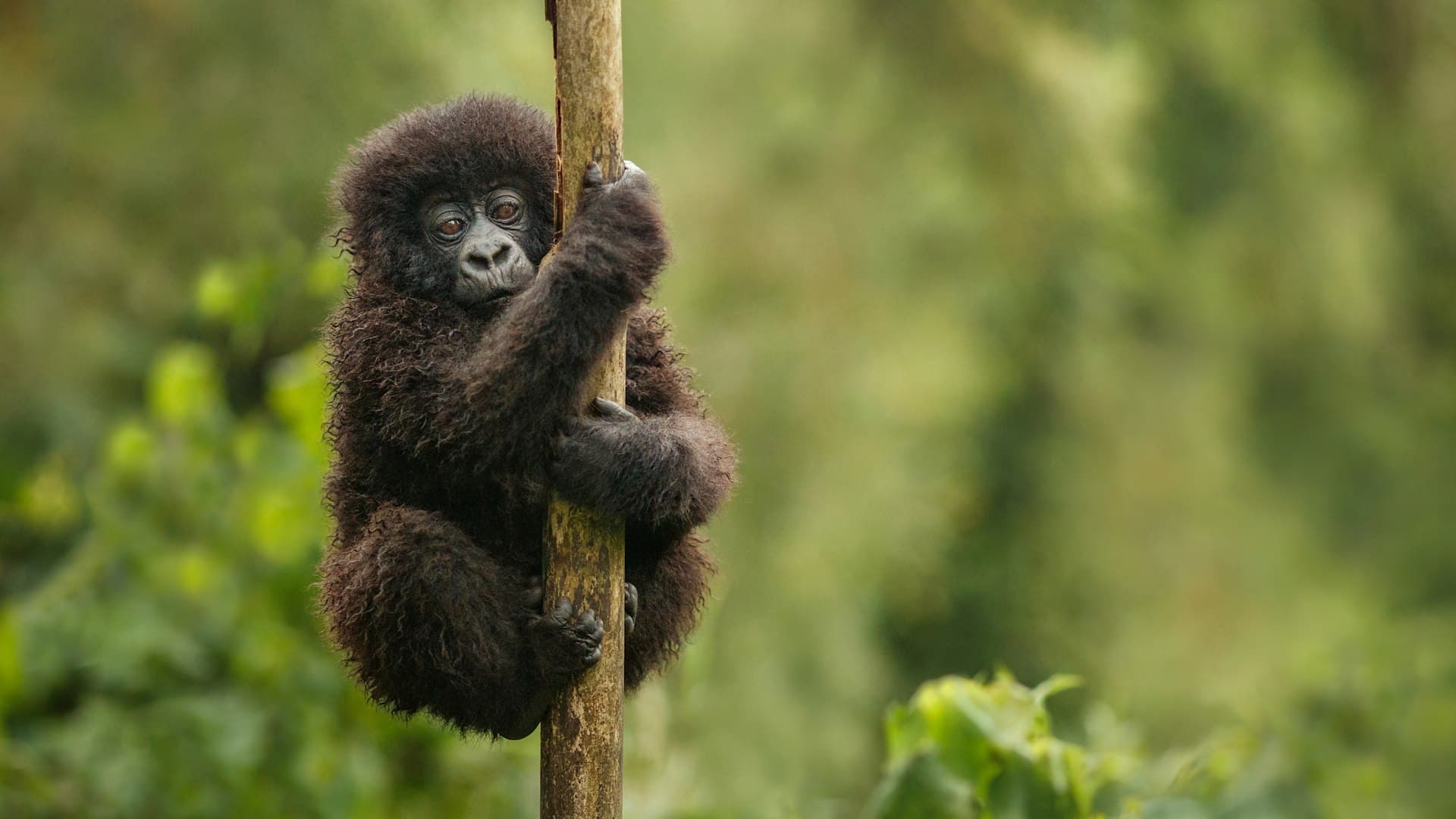
Tucked between Kenya, Tanzania, Uganda and the Democratic Republic of the Congo, Rwanda offers some of the best primate tracking on the planet, set against the backdrop of endless green hills and soaring mountainsides. With over half of the world's remaining mountain gorilla population, the country has built much of its modern tourism economy around the careful, well-policed observation of a critically endangered species.
Despite a turbulent past — the 1994 genocide is part of everyone's awareness here — Rwanda today is one of the safest and most quietly impressive countries on the continent. Plastic bags have been banned for over a decade. The country observes a monthly community service day. Kigali is famously clean and orderly. The whole place runs with an attentiveness that the visitor cannot help but feel.
Beyond gorillas, Rwanda is superb for primates in general — Sykes monkey, the rare golden monkey on the Virunga slopes, the boisterous chimpanzee in Nyungwe Forest. Akagera National Park, on the eastern border, is a savannah park with a reintroduced lion and rhino population — Big Five in a country most people associate only with apes.
Where to go
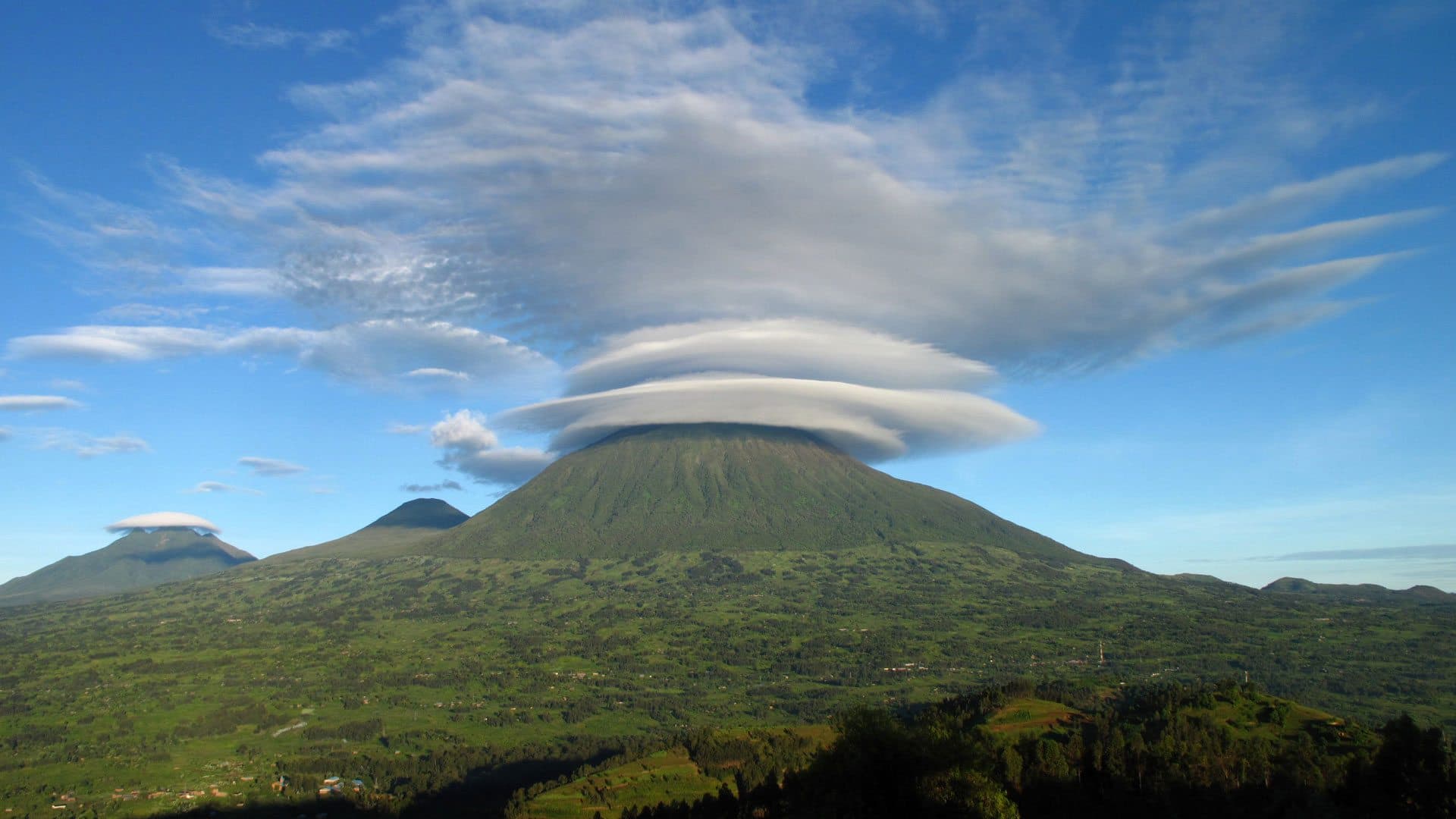
The Virungas. Mountain gorilla trekking on the forested volcano slopes; the small chance of a golden monkey on the side.
Dubbed the "African Galapagos" — thirteen primate species including chimpanzees, 120 species of butterfly, and a high canopy walkway.
Lake-and-savannah country in the east. Reintroduced rhino and lion mean Rwanda now has all of the Big Five.
A capital that runs. Worth one or two nights for the Genocide Memorial, a strong contemporary art scene, and some of the better restaurants in East Africa.
The Style
Rwanda is one of the most expensive countries in Africa to trek gorillas in: the permit alone is US$1,500 per person per trek, and a meaningful proportion of that fee funnels directly into the conservation of the gorillas. This is the policy choice that has driven the slow, steady rise in the mountain gorilla population in recent decades.
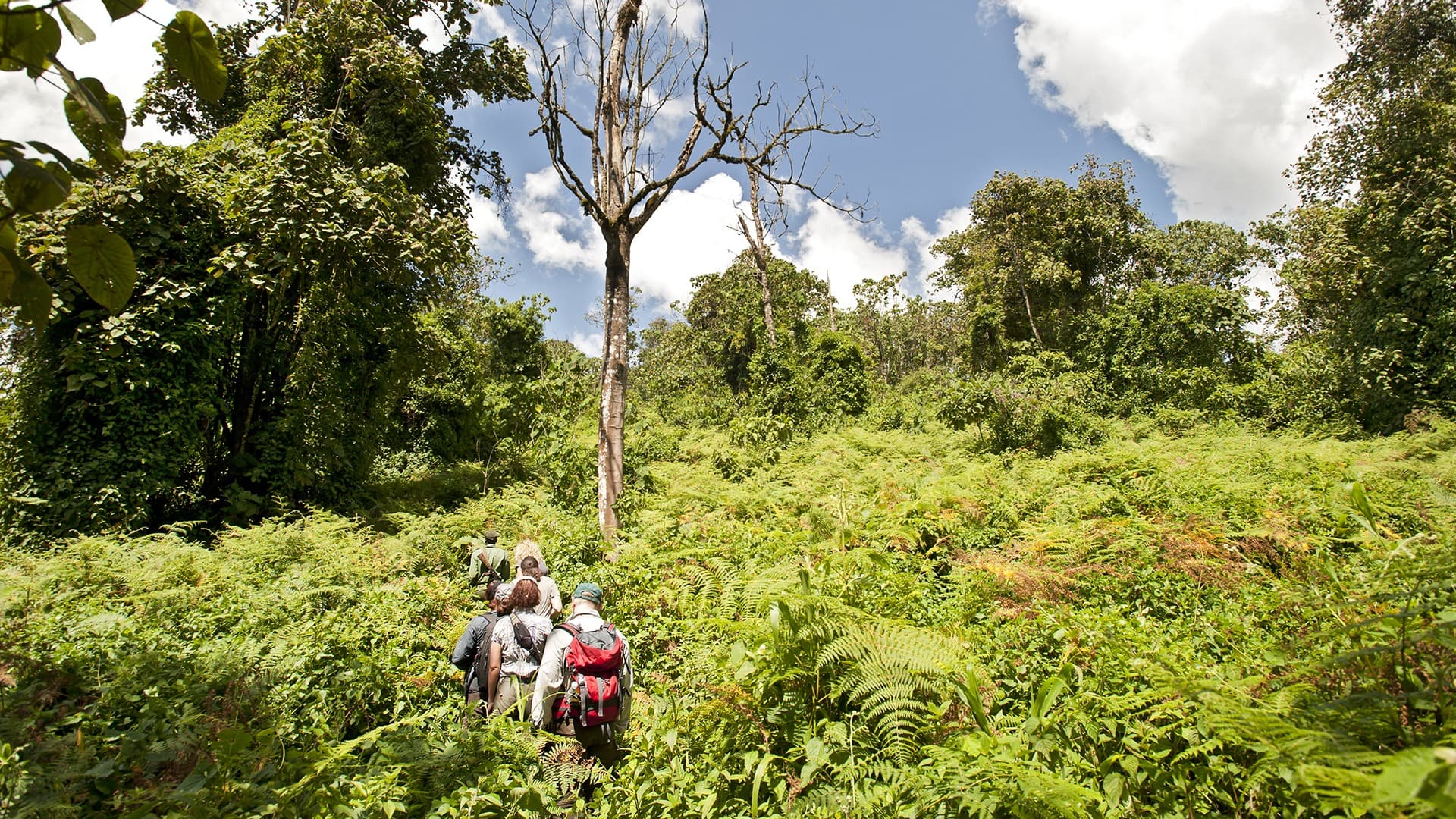
The result is a quietly held form of luxury. The lodges around Volcanoes National Park are some of the most considered in Africa; the trekking is small-group and short (Rwanda's gorilla families are habituated and live close enough to road heads that a half-day on foot is usually enough); and a typical itinerary pairs the trek with a few nights in Akagera or Nyungwe and a Kigali ending.
Need to know
Capital
Kigali
Languages
Kinyarwanda, French, English, Swahili (official)
Currency
Rwandan Franc (RWF). US dollar widely accepted.
Time zone
Central Africa Time (UTC+2)
Power
230V, Type C, J sockets
Visa
eVisa or visa on arrival for most nationalities
Gorilla permit
US$1,500 per person per trek (Volcanoes National Park)
Best time
June–September & December–February (drier; better trails)
International gateway
Kigali International (KGL)
Frequently asked
At least 6 months, ideally 9–12 for peak season (June–September). The daily allocation in Volcanoes National Park is small, and trekking operators secure permits as part of the lodge booking, not as a separate transaction.
Pair with