

Experience — Primates
Beyond the gorillas, East Africa holds the world's richest primate concentration: chimpanzees in Mahale, Kibale and Nyungwe; golden monkeys on volcano slopes; lemurs in Madagascar; sifakas in spiny forests.
What it is
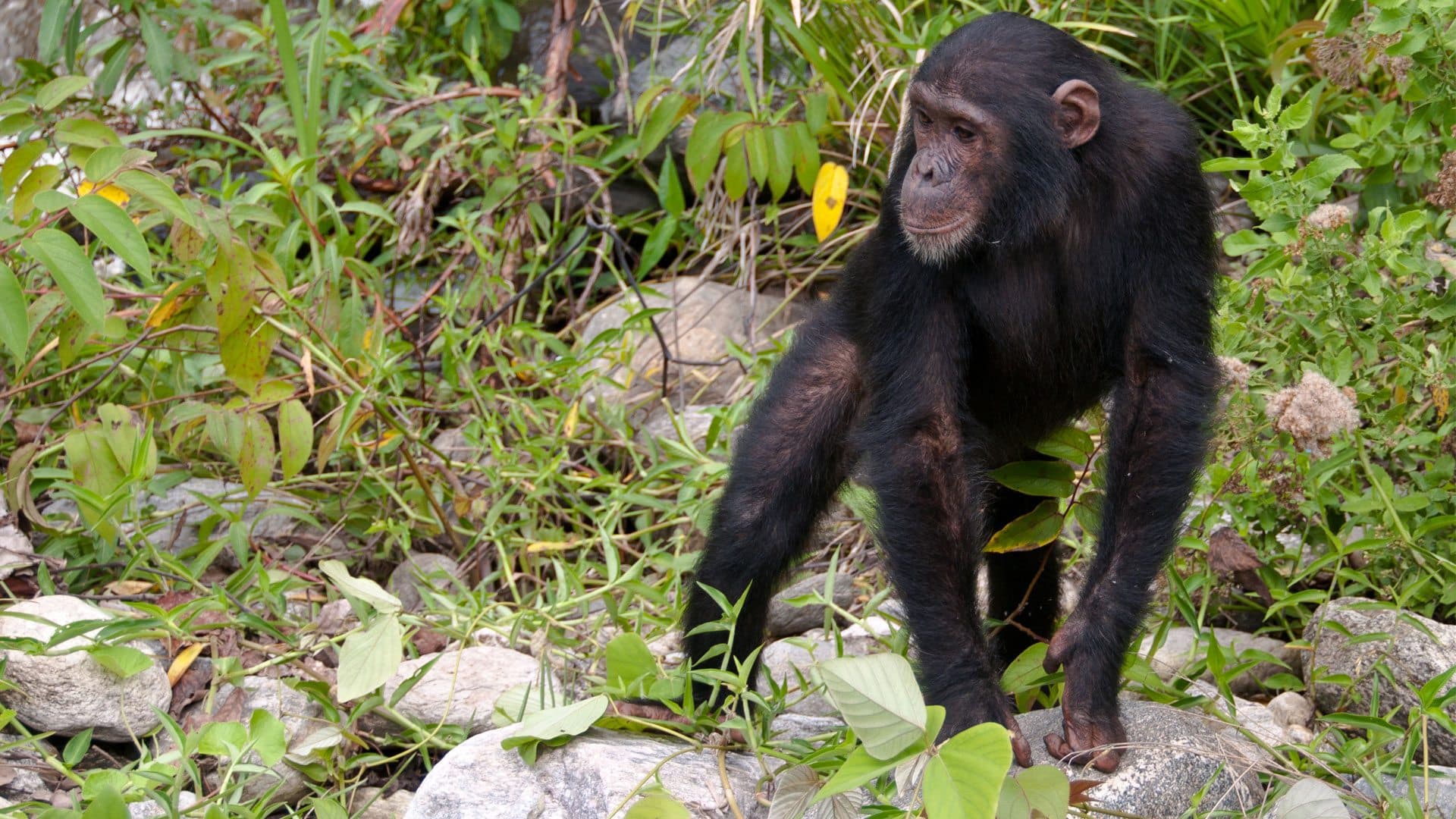
If gorilla trekking is the most affecting wildlife experience in Africa, chimpanzee trekking is its mischievous, voluble counterpart. The chimp is famously close to humans genetically — but it is the personality that lands. A chimp community moves at speed, communicates loudly, fights, grooms, hunts and reconciles in plain view. The experience is less reverent than a gorilla encounter, and more recognisable.
And beyond chimps: thirteen primate species in Nyungwe Forest alone (which Timbuktu Travel calls the "African Galapagos"), the rare golden monkey on the Virunga slopes, the indri and the dancing sifakas of Madagascar, the baboons and vervets of every savannah park.
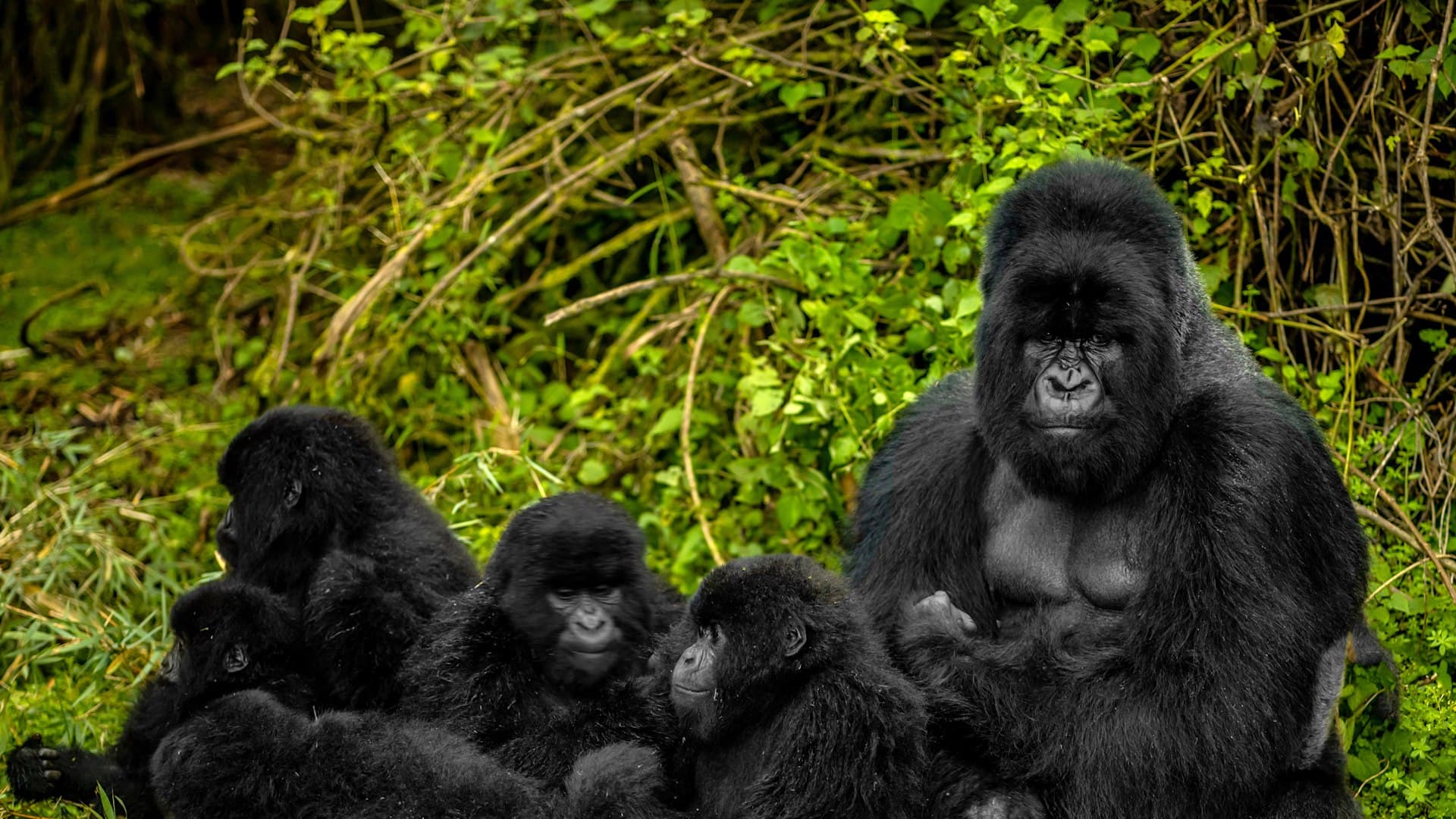
Where to do it
Lake Tanganyika beach in front, forested mountains behind, chimpanzees in front of those. Considered by many to be the single most beautiful chimp-trekking experience in Africa.
The country's premier chimpanzee tracking. Thirteen primate species in a single forest, including red colobus and L'Hoest's monkey.
Thirteen primate species; chimps tracked on foot; a canopy walkway across the high forest; 120 species of butterfly.
The rare golden monkey, often added as a half-day side encounter to a gorilla trek.
Jane Goodall's research site on the shore of Lake Tanganyika. Small, historic, and a pilgrimage for any primatologist.
The indri at Andasibe, the dancing sifaka in the south, ring-tailed lemur in Isalo, brown lemur and many smaller species across the forests.
Countries to visit