
East Africa — Destination
The spectacle. Africa's highest mountain, its most populous wildlife stage, and the spice island that has been the answer to "what next?" for a century.
The Place
Tanzania is the largest country in East Africa, and almost a third of it is given over to game. The result is a country where you can be in the company of two million wildebeest in the morning, and a chimpanzee family in a forested mountain by the afternoon of the next day.
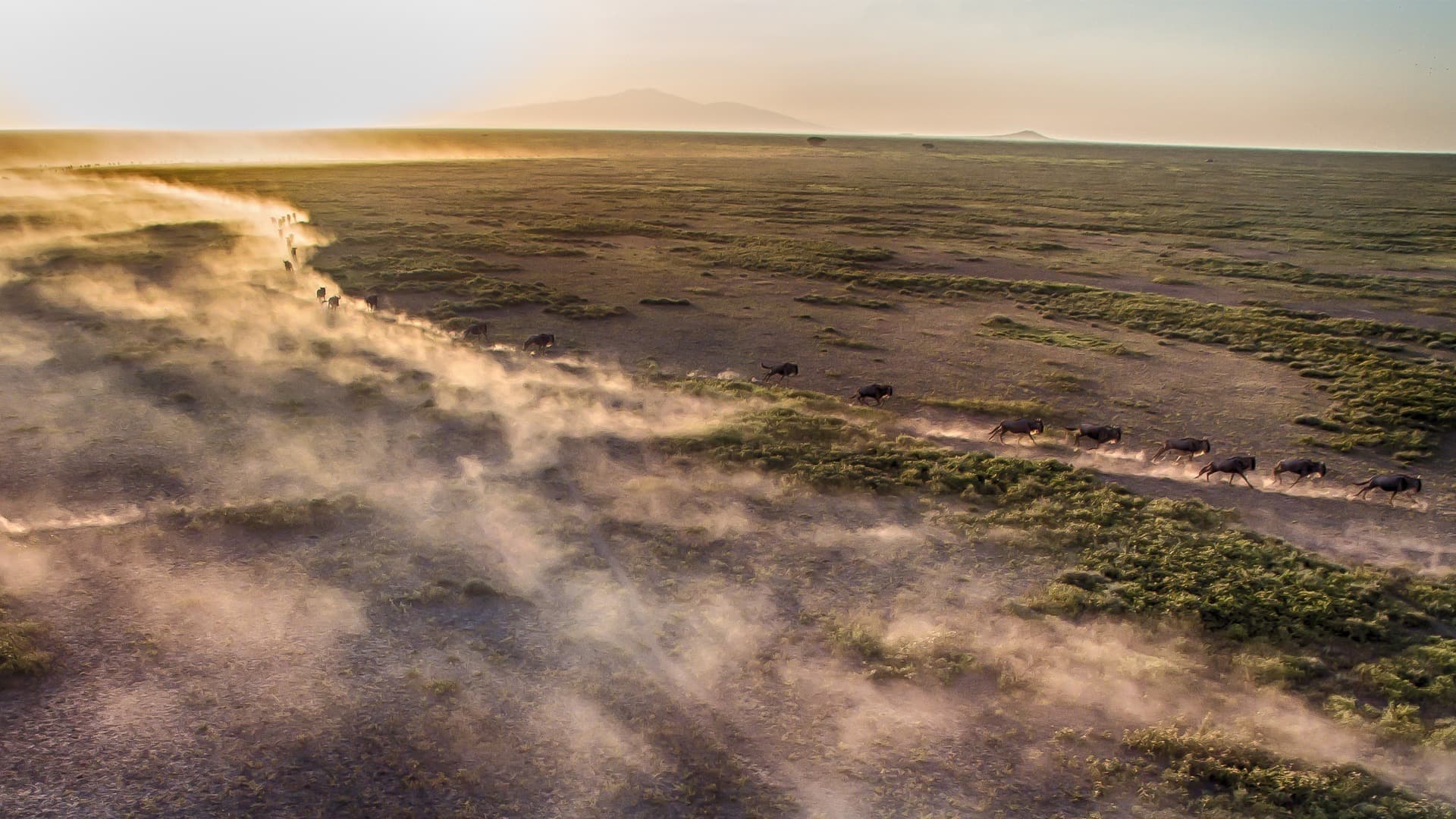
Mount Kilimanjaro, the continent's highest peak, rises 5,895 metres from grass plains in the north. The climb is famously approachable — non-technical, well-organised, and the closest most people will come to standing on a roof of any continent. The Serengeti, immediately west, is the longest-running wildlife film set on earth: the seasonal circuit of wildebeest, zebra and gazelle is one of the great natural shows. Ngorongoro Crater, between them, is the world's largest intact volcanic caldera and a near-permanent open-air zoo.
South and west, the country becomes quieter. Ruaha and Nyerere (formerly Selous) are vast, remote, and lightly visited; Mahale Mountains is where you trek for chimpanzees on the shore of Lake Tanganyika; Katavi is the Africa of a hundred years ago, with very few people in it. Finish on Zanzibar.
Where to go
The headline. Plains, kopjes, the migration in its various months, and the highest density of big cats you will see.
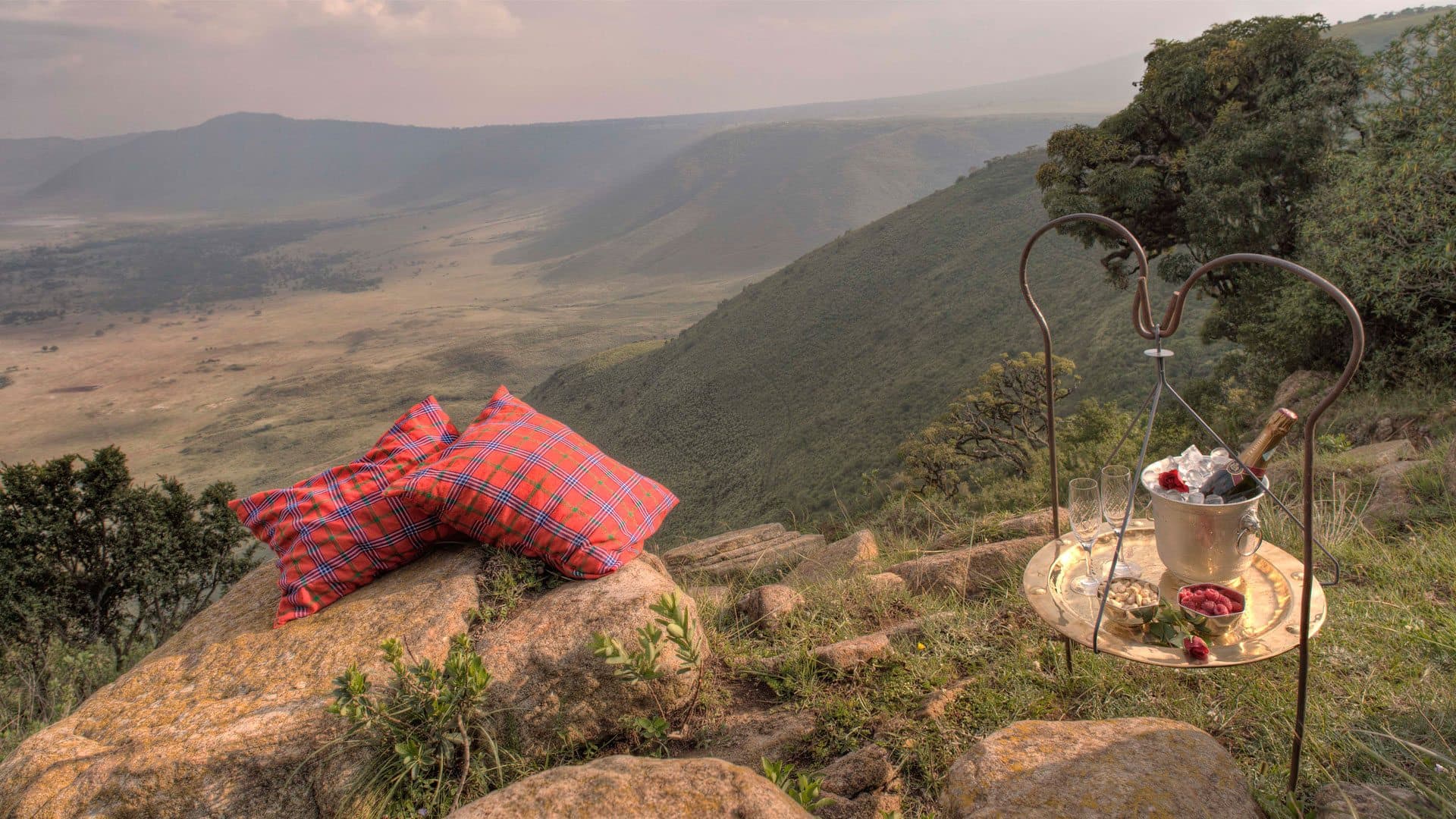
The world's largest intact caldera; black rhino, lion, elephant inside a natural amphitheatre.
Tree-climbing lions, hippo pools, soda lake flamingos, and a Rift Valley wall as backdrop.
Baobabs and elephants. Spectacular in the dry season; quieter than its neighbours.
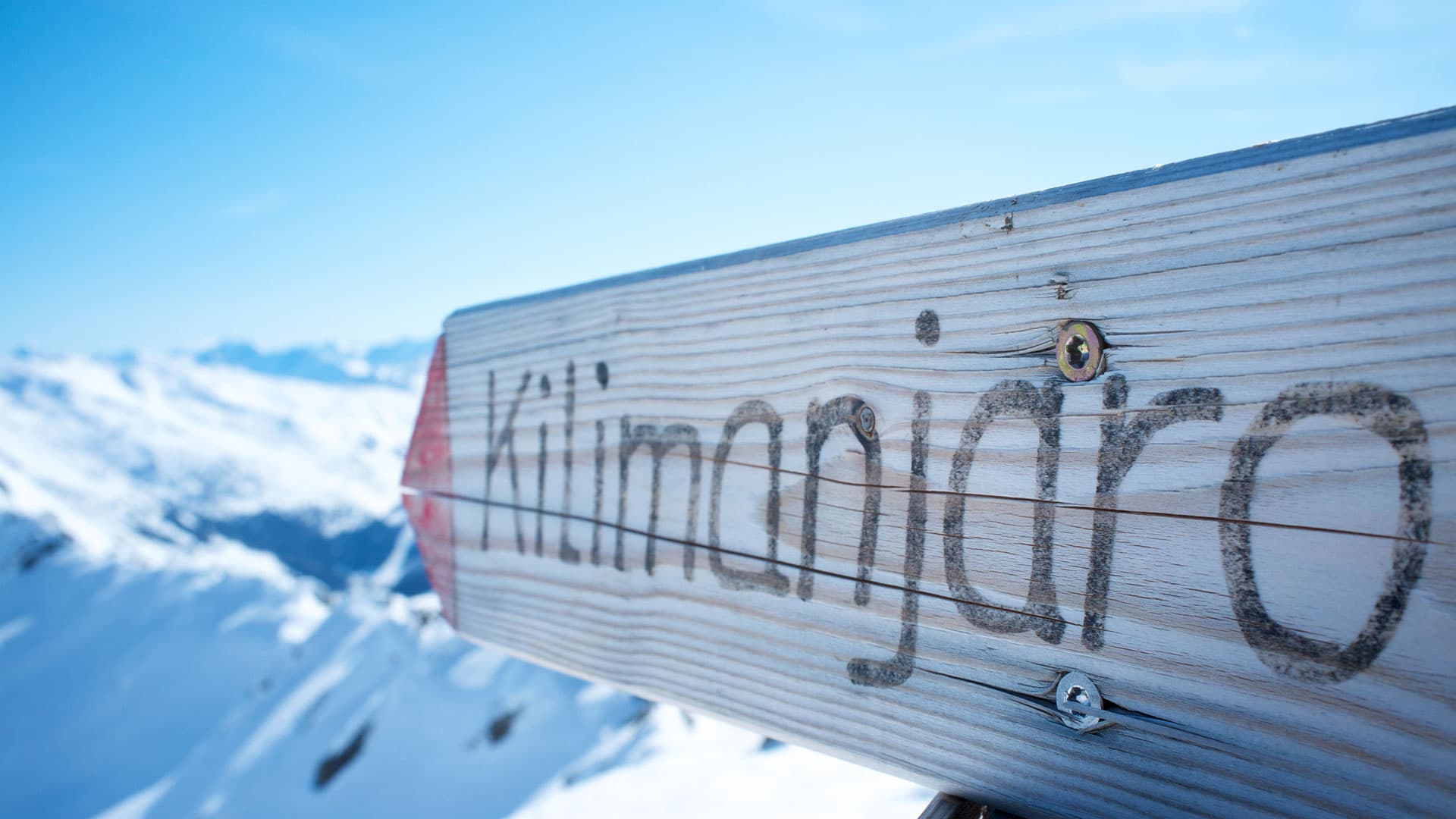
The roof of Africa. A non-technical climb that draws those who like to stand on summits.
Lake Tanganyika beach, forested slopes behind, chimpanzees in front. One of the most magical small parks in Africa.
Remote western Tanzania. Buffalo herds, dry-season hippo concentrations, and almost nobody else.
Southern Tanzania's deep wilderness — riverine landscapes, walking, boating, very few vehicles.
The spice island. Stone Town, dhow trips, manta rays off Mnemba, the post-safari shutdown.
The Style
Tanzania is the most accessible introduction to African safari. Camps in the north are well established, infrastructure is good, and there are direct light-aircraft connections between the parks. The northern circuit (Tarangire, Manyara, Ngorongoro, Serengeti) is the busiest part of the country — hundreds of thousands of visitors a year — so a trip designed with a few quieter regions and the right migration months written into the itinerary will repay the planning.
The "Deep South" — Ruaha and Nyerere — is the move for travellers who already have one East African safari behind them. It is jaw-dropping country with major game viewing, without the tourist hordes.
A glance


Need to know
Capital
Dodoma (Dar es Salaam is the largest city)
Languages
Swahili & English (official)
Currency
Tanzanian Shilling (TZS). US dollar widely used.
Time zone
East Africa Time (UTC+3)
Power
230V, Type D & G sockets
Visa
eVisa available online; visa on arrival also possible
Best time — Serengeti
Year-round; migration timing varies by region
Best time — Zanzibar
June–October; December–February
International gateway
Kilimanjaro (JRO) for north; Julius Nyerere (DAR) for Selous/south & Zanzibar
Frequently asked
It depends what you want. Calving on the southern Ndutu plains is February. The Grumeti crossings in the western corridor happen in June. The dramatic Mara River crossings in the northern Serengeti are typically late July through October. A mobile camp that moves with the herds is the most considered way to follow it.
Pair with